The Challenge of Achieving UNAIDS 95-95-95 Targets
While Zambia has made significant progress toward achieving the UNAIDS 95-95-95 goals, the first 95—identifying individuals living with HIV—remains a challenge. Children and adolescents, in particular, continue to face barriers to accessing preventive and care services. Accelerated efforts are critical to reaching these vulnerable subpopulations and linking them to essential HIV interventions.
Integrating AI into HIV Case Management
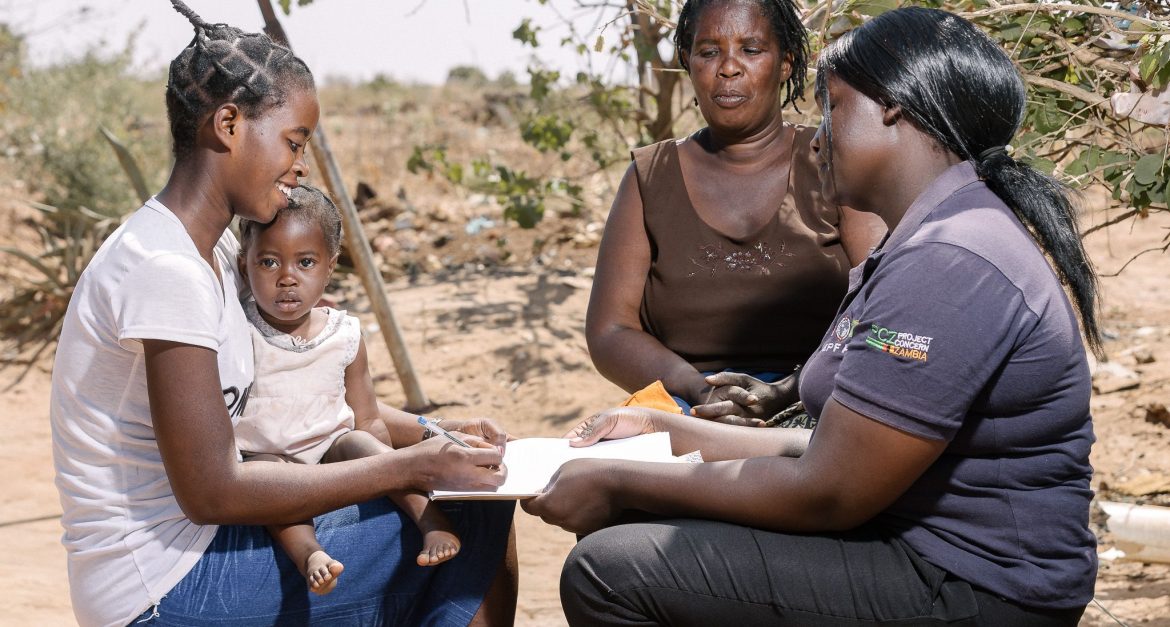
From March 2021 to September 2023, Project Concern Zambia (PCZ) introduced an electronic Case Management System (eCMS) as part of the USAID Empowered Children and Adolescents Program II (ECAP II). The system replaced traditional paper-based tools with a digital platform featuring actionable dashboards and real-time data capabilities.
Through flexible and practical training, 561 case workers—including those with limited literacy—successfully transitioned to the eCMS. They utilized the system to collect and manage case-level data for 9,334 vulnerable children and caregivers, linking them to tailored HIV, social, child protection, and education services.
Key Outcomes and Achievements
The integration of the eCMS led to remarkable improvements in service delivery:
- Over 500 vulnerable children and adolescents (VCA) with HIV, co-morbidities, and vulnerabilities were identified and linked to multisectoral services.
- Of the 7,073 VCA living with HIV, 5,802 (82%) were connected to viral load testing, with 96% achieving viral suppression.
- 3,086 HIV-exposed infants were linked to prophylactic services.
- 4,657 adolescent girls and young women at elevated HIV risk were connected to prevention programs.
Looking Ahead: The Role of AI in Epidemic Control
The success of the eCMS highlights the transformative potential of AI in addressing HIV in high-incidence communities. By providing timely, person-centered information, AI-driven systems empower healthcare workers to deliver tailored interventions, ensuring no child or adolescent is left behind. To sustain and expand these gains, further implementation science is needed to develop user-friendly, scalable AI solutions for community health programs.